
19 Skills Every Woman Should Have To Be Entirely Independent

Let’s Talk About Underrated Life Skills For Women To Learn Before Entering Your 30s or Even 40s
Life can throw a lot at you. One day, you feel like you have it all figured out. The next day, something comes up that you did not see coming.
That is why having the right skills can make a big change in your life.
I have learned that being strong is not about knowing everything. It is about knowing how to handle life when things get hard.
Some skills help you at work. Others help you with money, people, your home, and even your own mind.
You do not need to be perfect at any of them. You just need to start learning. A little skill today can save you a lot of stress later. It can also help you feel more sure of yourself.
So, let’s talk about the skills every woman should have.
The Ultimate List of Skills Every Woman Should Have
1. Basic Automotive & Home Diagnostics
I used to think car trouble was something only a mechanic needed to understand. Then I learned that a few simple skills can save me time, money, and stress.
I like knowing how to read a basic OBD-II code because it can give me a clue about what is wrong with my car. It does not make me a mechanic, but it helps me talk to one with more confidence.
I also think every woman should know how to deal with a dead car battery and know where the main water shutoff is at home.
I practiced these skills before I needed them, which made them much less scary. At home, I found the water shutoff and marked it so I could find it fast if a pipe ever broke.
For car skills, I watched trusted lessons and practiced with someone who knew what they were doing. These small skills can make you feel calm when something goes wrong.
2. Aggressive Negotiation
I used to think asking for more money would make me seem rude or hard to work with. Now I see that good negotiation is simply knowing your worth and asking for a fair deal.
This can help when you talk about a job offer, a big purchase, or even a large bill. I like to know my facts before I start any talk about money.
I also try not to rush when the other person gives me an offer. A short pause can give me time to think instead of saying yes too fast.
I may also start with a fair number that leaves room for a deal. Before a big talk, I write down the lowest price or pay I will accept.
Practice helps a lot, so try small talks first, like asking for a better price on a service. Being firm does not mean being mean, and that is a lesson worth keeping.
3. Analog Navigation & Spatial Orientation
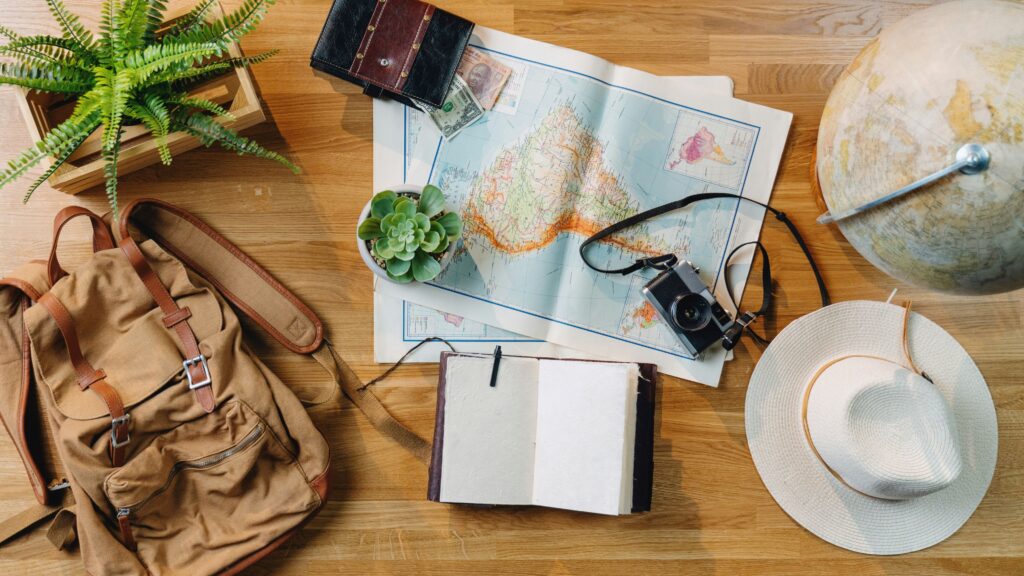
I love having GPS, but I do not want to feel lost if my phone dies. Learning how to read a map gives me a sense of freedom that a phone cannot always give me.
I started by looking at simple maps and learning what common map signs mean. Then I learned how a compass works and practiced finding north.
A topographic map can look hard at first, but the basic idea is simple: it shows the shape and height of the land. I practiced in a safe place where I could still use my phone if I got stuck.
You can start with a short walk and try to find your way using only a map and compass. I also pay attention to roads, hills, buildings, and other things around me.
The goal is not to become an expert overnight. It is to know that I can find my way home even when technology lets me down.
4. Basic First Aid & Triage
First aid is one of those skills I hope I never need, but I still want to have it. Knowing what to do in the first few minutes of an emergency can make a big difference.
I think every woman should take a real first aid and CPR class instead of trying to learn it all from a post online. A class lets you practice CPR, use training equipment, and learn how an AED works.
I also learned that heavy bleeding needs fast action and that emergency help should be called right away.
A tourniquet should be used only as taught in proper first aid training and when needed for life-threatening bleeding. I keep a small first aid kit where I can reach it without digging through a mess.
I also check it from time to time so old items do not stay there forever. Having these skills does not make me fearless, but it helps me stay useful when someone else is scared.
5. Digital Privacy & Cybersecurity Hygiene
My phone holds so much of my life that I now treat digital safety as part of personal safety. I use strong, different passwords instead of using one password for everything.
A password manager can make this much easier because I do not have to remember every password. I also use two-step login when it is offered.
For important accounts, a hardware security key can add another layer of protection. I keep backups of important photos and files, and I make sure those backups are protected too.
I also check old accounts from time to time and close ones I no longer use. It is worth searching your name online so you know what people can find about you.
6. Physical Self-Defense & De-escalation is Among Crucial Skills Every Woman Should Have
I used to think self-defense was all about knowing how to fight. I now think the first goal is to avoid a fight when I can.
I pay attention to strange behavior, blocked exits, and people who ignore my clear limits. I practice saying simple words like “Stop,” “No,” and “Back up” in a strong voice.
I also try to keep space between me and someone who makes me feel unsafe. If a person is angry, I do not need to prove that I am right.
Leaving the area can be the smartest move. I think a good self-defense class is worth taking because you can learn safe ways to move, escape, and protect yourself.
The best class should also teach awareness and calm thinking, not just punches and kicks. Most of all, trust that uneasy feeling when something does not feel right.
7. Basic Contract & Financial Literacy
I think every woman should be able to read a contract without feeling lost. I learned to slow down when I see words like fees, interest, renewal, penalty, and cancellation.
I never want to sign something just because I feel rushed. If I do not understand a part of a contract, I ask questions before I sign it.
I also learned that a low monthly payment does not always mean a cheap deal. Interest can make a loan cost much more over time.
I keep a simple view of what I own, what I owe, and what comes in and out each month. This helps me see the real picture instead of guessing where my money goes.
You do not need to be a money expert to start. A little knowledge here can give you a lot more control over your life.
8. Emergency Preparedness & Field Readiness
I feel much calmer when I know I am ready for a bad day. I keep basic supplies together instead of hoping I can find them during an emergency.
A simple 72-hour kit can include water, food, a flashlight, spare batteries, basic first aid items, needed medicine, and a way to charge your phone.
I also keep copies of key information in a safe place. Learning a few basic knots can help with simple tasks around the home or outdoors.
If you enjoy hiking or camping, you can learn how to make a safe emergency shelter with a trained guide. I think the best way to practice is to start small and plan for common problems, like a power cut.
Check your supplies every few months and replace anything that is old. Being ready is not about fear; it is about making hard days a little easier.
9. Basic Small Engine & Power Tool Operation
Power tools can look scary when you have never used one. I felt the same way the first time I held a drill. I started with simple jobs and learned what each tool was made to do.
Safety glasses, the right blade or bit, and a steady work area are a must. I would never rush a job just to finish it faster.
For tools like a circular saw, I would take a hands-on class or learn from someone trained before using one alone. The same idea works for lawn tools and small engines.
I learned that basic jobs, like changing a spark plug, are easier when I follow the manual step by step.
Start with one tool and learn it well before buying ten more. Once you get the hang of it, fixing small things can feel pretty cool.
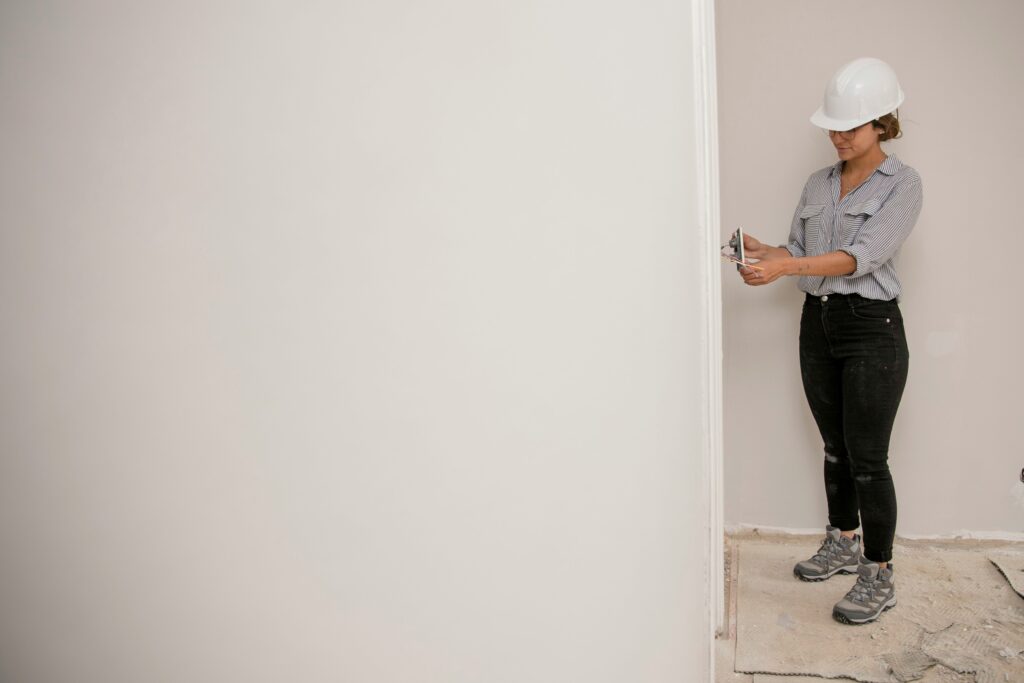
10. Basic Electrical & Breaker Management
Electricity is useful, but it is not something I ever treat like a toy. I think every woman should know what a breaker panel does and how to reset a normal tripped breaker.
I also want to know which breaker controls each part of my home. I marked mine so I would not have to guess during a problem.
I do not recommend working on live wires or testing live outlets unless you have proper training. A small mistake with electricity can cause a serious shock, fire, or worse.
For jobs like replacing an outlet or switch, I would use a qualified electrician unless I had the right training. You can still learn the safe basics without putting yourself at risk.
Knowing when to call a pro is part of being independent too.
You might also like: How to Improve Your Conversation Skills (Even If You’re Shy)
11. Crisis Communication & Command
When people panic, even simple tasks can become hard. I have learned that a calm voice can help bring order to a messy moment.
In an emergency, I try to give short and clear instructions instead of shouting many things at once. If other people are around, I may point to one person and ask them to call emergency services.
I may ask another person to get the first aid kit or meet help at the door. When speaking with a dispatcher, I focus on the location, what happened, who is hurt, and what help is needed.
I try not to guess when I do not know an answer. I also listen closely and follow the dispatcher’s instructions.
Staying clear and calm can help everyone work together when things go wrong.
12. Basic Carpentry & Fastener Knowledge
I used to think hanging a heavy item was as simple as putting a screw in the wall. I learned pretty quickly that walls are not all the same.
Drywall, wood, and masonry need different anchors and fasteners. A small picture may need very little support, while a large shelf needs much more care.
I always check the weight of what I want to hang before choosing the hardware. For heavy items, I make sure the fastener is going into a strong part of the wall or use the right rated anchor.
I also learned that some jobs should be left to a skilled person, especially when the structure itself may be involved.
Practicing with small shelves and simple projects is a good way to learn. The more you understand about screws, anchors, and wall types, the fewer mistakes you make.
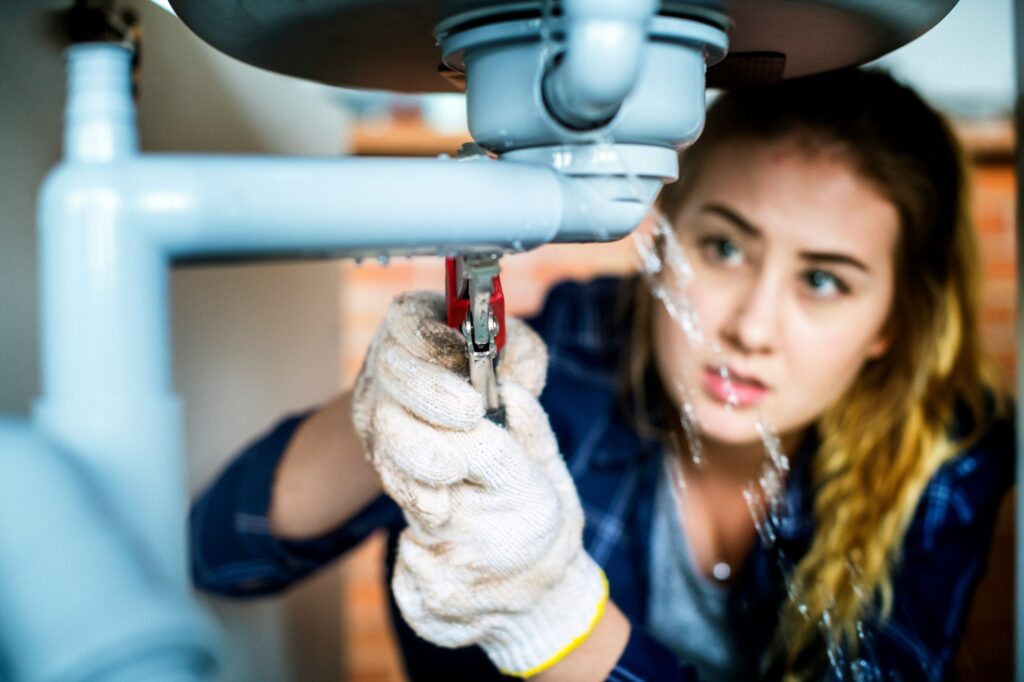
13. Basic Water System & Plumbing Repair
A dripping tap can be annoying, but a water leak can become a real mess. I think it is useful to know how the basic water system in your home works.
I learned where the main shutoff is and how to stop the water if needed. I also learned how to clear simple clogs without making them worse.
A basic drain snake or auger can help with some clogs, but it should be used with care. A toilet can also have simple parts that may need cleaning or replacing.
I like taking a quick look at the problem before buying random tools or chemicals. If a pipe is broken, water is spreading fast, or I cannot find the cause, I call a plumber.
14. Risk Assessment & Situational Mapping
I have learned that being aware can prevent many problems before they start. When I enter a new place, I often notice where the exits are.
I also look for stairs, blocked doors, wet floors, loose items, or anything else that could cause harm. In a busy room, I pay attention to how people are moving and where I can go if I need to leave.
This does not mean walking around scared all day. It simply means keeping my eyes open. I practice this in normal places like shops, hotels, and event spaces.
I also think about what I would do if the lights went out or a door became blocked. A few seconds of thought can help me make a better choice later.
15. Micro-Repair & Garment Preservation
I love knowing that a small tear does not mean I have to throw something away. Learning a few basic sewing skills has saved some of my favorite clothes.
I started by learning how to sew a simple seam and attach a button. From there, I tried small repairs on old clothes before touching anything I loved.
I also learned that stains are easier to treat when I act fast. I check the care label before using heat or strong cleaners because some fabrics can be ruined fast.
Simple fixes can also save money over time. If a piece needs a big change, I would rather take it to a tailor than risk ruining it.
There is something nice about keeping an old favorite in use instead of tossing it out. Besides, being able to fix a loose button five minutes before leaving the house feels pretty great.
16. Looking for Skills Every Woman Should Have? Try Meal Planning & Inventory Rotation
I used to open the fridge and wonder what on earth I was going to cook. Meal planning made that much easier for me. I now try to look at what I already have before I buy more food.
I use older items first so food does not sit in the back until it goes bad. This is the simple idea behind FIFO, or first in, first out.
I also keep a few basic foods around that can turn into many meals. Rice, pasta, eggs, beans, oats, and canned foods can be very handy.
Learning to cook without a recipe also helped me feel more relaxed in the kitchen. I taste as I go and use what I have instead of worrying about making a perfect meal.
Good food does not need to be fancy, and a little planning can save both money and waste.
17. Basic Appliance Maintenance
I used to think appliances were things I only needed to think about when they broke. Now I know that small care can help them work better for longer.
I clean the places that collect dust and dirt instead of waiting for a problem. I check filters and replace them when needed.
I also clean safe, user-serviceable filters in things like dishwashers and washing machines. For a fridge, I follow the maker’s guide before cleaning any coils or other parts.
I never take apart an appliance that I do not understand or that may still hold dangerous power. The manual is often my first stop because each machine can be different.
A few minutes of care can help prevent bigger repair bills. It is one of those boring jobs that feels very good once it is done.
You might also like: 35 Important Things to Learn in Your 20s for a Better Future
18. Basic Household Expense Tracking
I used to think I knew where my money went until I actually tracked it. Seeing the numbers on paper made a big difference.
I now look at both fixed costs and costs that change from month to month. I also check my bank statements for subscriptions I forgot about.
Tiny monthly charges can add up without me even noticing. I like using a simple list or app so I can see what comes in and what goes out.
I also leave some room for surprise costs because life loves to throw those at us. You do not need a fancy budget with a hundred categories.
Start by tracking your main bills, food, travel, savings, and fun money. Once you know your numbers, you can make choices instead of wondering where your money disappeared.
19. Preventative Personal Care Management
Taking care of myself is also part of being independent. I keep important health records in one safe place so I do not have to hunt for them when I need them.
I also keep track of routine checkups and screenings that are right for me. I follow advice from my doctor instead of trying to guess what I need from random posts online.
I keep a basic list of medicines and other important health details that a doctor may need to know. At home, I check my basic medicine supplies and remove anything that is expired or no longer needed.
I also keep emergency contacts easy to find. These small habits help me feel more in control of my own care. I do not wait for a problem before I start paying attention.
To me, real independence means caring for myself today so I am better ready for tomorrow.
Now It’s Time for You to Tell Me About Your List of Skills Every Woman Should Have



Leave a Reply