
How to Be Patient: 28 Tips to Help You Keep Your Cool

You’ll See the Best Tips on How to Practice Patience Daily
Patience is not always easy. I know because I used to get upset when things didn’t happen fast.
Waiting in long lines, dealing with people, or even working toward my goals made me restless. Over time, I learned that patience is like a skill, and anyone can practice it.
If you’ve ever wondered how to be patient, this post is for you.
I’ll share simple tips that helped me slow down, stay calm, and feel more at peace, even when life feels tough.

Now I’ll Tell You How to Be Patient in Your Everyday Life
1. Pause and Take Three Slow Breaths before Responding
I try to take three slow breaths before saying anything when I feel impatient. It gives me a moment to think instead of reacting too fast.
Inhale for a count of four, hold for two, and exhale slowly. I notice my shoulders relax while I do this. Even just a few seconds of pause helps you respond calmly.
It helps you feel more in control. Breathing slowly reminds you that you don’t have to rush your reactions.
You can practice this anytime, like during conversations or stressful moments.
2. Count Slowly to Ten When Irritation Rises
I count to ten in my head when I feel annoyed or frustrated. It gives me a little space before I act. You can even do it in your head while taking slow breaths.
By the time I reach ten, I feel calmer. Try to visualize each number floating away like a little cloud.
You can do this anywhere, even in line or traffic. Counting slowly gives you time to think clearly. It helps you respond instead of reacting.
3. Keep a Daily Journal to Process Frustrations
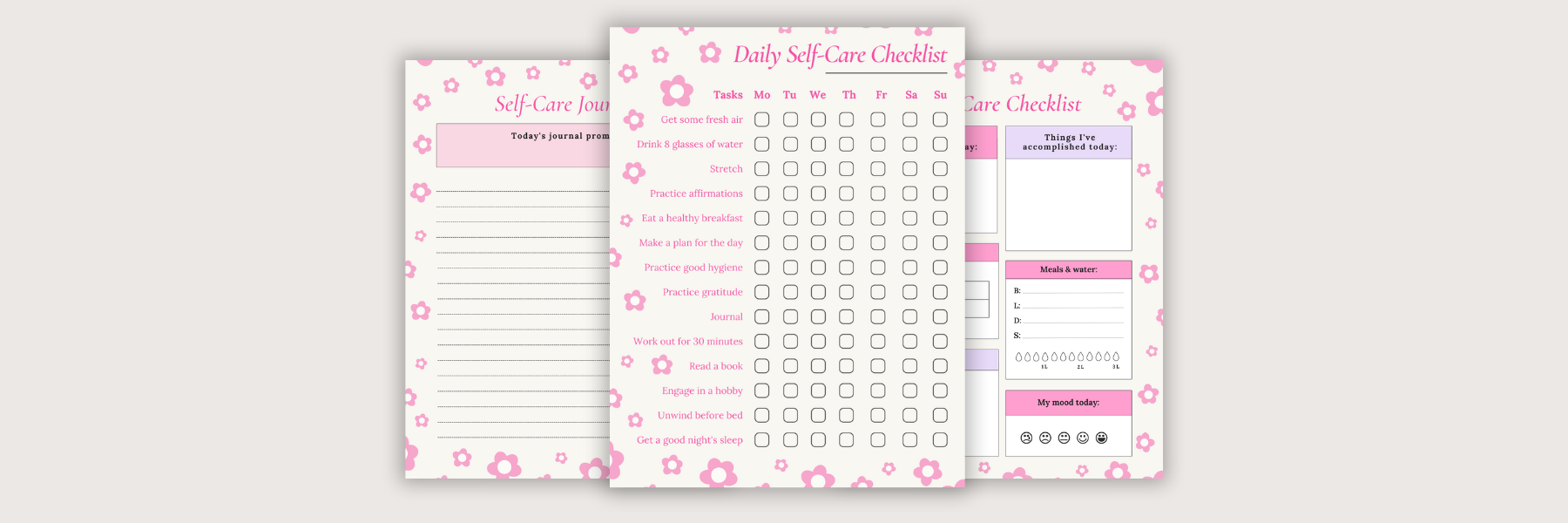
I write down my feelings in a journal when I feel impatient. It helps me understand why I’m frustrated. Describe what happened, how you felt, and what you can do differently.
I try to write for just a few minutes so it doesn’t feel overwhelming.
Sometimes I add small drawings or doodles to make it fun. Journaling helps you release tension instead of bottling it up.
You’ll notice it becomes easier to stay calm over time. Writing also helps you reflect on patterns that make you impatient.
4. Listen Fully before Speaking in Conversations
I make an effort to really listen before responding. Sometimes I catch myself thinking about what I’ll say next. Focus on the other person’s words and feelings.
I nod or make small sounds to show I’m paying attention. Waiting until they finish helps you avoid interrupting.
Listening fully makes conversations feel calmer and more meaningful.
You’ll notice others respond more positively too. Patience in conversations makes you feel respectful and collected.
5. Stretch Your Body When You Feel Restless
I stretch my arms, shoulders, or back when I feel fidgety. It helps release tension and restlessness. Stand up, roll your shoulders, or reach for the ceiling.
Moving slowly helps you feel calmer inside. Even a minute or two of stretching makes waiting easier.
A tip is to combine stretches with slow breathing. Stretching turns impatience into something physical and healthy. It’s a small act of self-care that also trains patience.

6. Remind Yourself of the Bigger Picture When Stuck in Minor Setbacks
I try to think about the bigger picture when little things go wrong. Traffic, a slow line, or a delayed email won’t matter later.
Ask yourself, “Will this matter tomorrow?” or “Is this really urgent?” Small frustrations feel less heavy when you zoom out.
Keep a phrase like, “It’s not the end of the world” in mind.
Thinking bigger helps you focus on what really matters. It keeps your mind from getting stuck on tiny delays. This habit slowly builds more patience over time.
7. Break Tasks into Smaller Steps to Reduce Overwhelm
I split big tasks into smaller steps so I don’t feel rushed. Write down each step or just think about one small part at a time.
I feel less stressed when I focus on one piece instead of the whole project. Celebrate each completed step, no matter how small.
This helps you stay motivated and calm. Breaking tasks down makes waiting or working feel easier.
You’ll notice you can handle challenges without getting impatient. It’s like turning a mountain into small, climbable hills.
8. Time Yourself to Sit Still in Silence for a Few Minutes Each Day
I set a timer and just sit quietly for a few minutes. It’s hard at first, but I notice my mind slows down. Focus on your breath, a sound, or just notice your surroundings.
I try not to judge myself if I feel restless, it’s normal. Start with 2-3 minutes and increase gradually.
Sitting still trains patience slowly but surely. You’ll notice it becomes easier to wait or stay calm in other situations. It’s a small, peaceful daily habit.
9. Use a Mantra like “This Too Shall Pass” When Frustrated
I repeat a calming phrase in my head when I feel annoyed. “This too shall pass” reminds me that frustration is temporary.
Pick a mantra that feels right for you.
I sometimes whisper it quietly or say it silently with each breath. Pair it with slow inhaling and exhaling. Saying a phrase helps you pause before reacting.
Over time, it becomes automatic whenever impatience shows up. It’s like giving yourself a little pep talk to stay calm.
10. Observe Your Body Language and Relax Tense Muscles
I notice when my shoulders, jaw, or hands feel tight. Tension often comes with impatience. Roll your shoulders, unclench your fists, or soften your jaw.
I also take a deep breath while relaxing each part. Imagine the tension melting away like ice.
Relaxing your body helps your mind feel calmer too. It’s easier to stay patient when you’re physically relaxed. Paying attention to your body reminds you to slow down.
You might also like: 21 Bulletproof Tips for Coping with Holiday Stressors

11. Practice Empathy by Imagining Others’ Perspectives
I try to think about why someone else is moving slowly or acting differently. Maybe they’re tired, stressed, or distracted.
Ask yourself, “What might be going on for them?” It makes you feel less annoyed. Remind yourself that everyone has struggles you don’t see.
Imagining others’ perspectives helps you respond kindly instead of rushing. Patience grows naturally when you understand others.
It makes waiting or dealing with delays feel easier.
12. How to Be Patient? Create Buffer Time in Your Schedule to Avoid Rushing
I leave extra time between appointments or tasks. Being rushed makes impatience worse. Plan for 10-15 extra minutes for travel, chores, or breaks.
I feel calmer when I don’t have to sprint from one thing to another. Add buffer time at the start of the day to set a relaxed tone. You’ll feel more patient overall.
Planning ahead gives you a mental cushion. Even small adjustments make a big difference in patience.
13. Use Visualization to Picture a Calm, Patient Version of Yourself
I close my eyes and imagine myself staying calm in a frustrating moment. I picture breathing slowly and responding kindly.
Do this before situations that usually test your patience.
It makes you feel more prepared and confident. Imagine small victories first, like waiting calmly in line or finishing a project step by step.
Visualization trains your brain to respond differently. You’ll notice it becomes easier to handle frustration in real life. It’s like practicing patience before it happens.
14. Keep Reminders with Patience Cues
I put little notes around my space or set phone reminders to stay calm. Words like “Breathe” or “Patience” help me pause.
Stick them where you usually get stressed, like near your desk or mirror. Even a glance at a note can slow you down.
Make the notes colorful or fun, it draws your eye. These reminders gently remind you to slow down throughout the day.
15. Take Breaks from Technology to Reduce Overstimulation
I step away from my phone or computer for a few minutes when I feel restless. Screens make me impatient faster. Walk around, stretch, or just look outside.
The quiet time helps your brain reset. Schedule small tech breaks regularly, even for five minutes.
Being away from notifications reduces frustration. Patience feels easier when your mind isn’t constantly distracted. Even short breaks make a big difference.

16. Choose Slower Lines or Routes Intentionally as Practice
I sometimes pick the longer line at the store or take a slower route on purpose. It’s a small way to practice patience in real life.
Notice your breathing while you wait instead of rushing. I remind myself that this is just practice, not a punishment.
Focus on small things around you, like decorations or people-watching.
Choosing slower options teaches you that waiting isn’t always bad. You’ll notice your frustration fades when you accept the pace.
Over time, it makes waiting in all situations easier.
17. Focus on Your Breath While Waiting Instead of Checking Your Phone
I pay attention to my breath when I’m in line or stuck in traffic. Counting slow inhales and exhales helps me stay calm.
Imagine your breath moving in and out like gentle waves.
My mind stops racing when I focus on breathing. Breathe in for four counts and out for six, it feels soothing.
Focusing on your breath helps you feel grounded instead of impatient. Even a minute of mindful breathing can change your mood. It turns waiting into a peaceful moment.
18. Use Relaxation Techniques like Progressive Muscle Release
I tense and then release each muscle in my body when I feel impatient. I start from my toes and work up to my head. Squeeze each part for a few seconds, then let go slowly.
I notice the tension melting away and my mind slowing down. Combine it with deep breathing for extra calm.
Progressive muscle release helps you stay patient in stressful moments. You’ll feel lighter and less restless. It’s a simple trick that trains your body and mind to relax.
19. Set Realistic Expectations for Yourself and Others
I remind myself that I can’t control everything or everyone’s pace. Setting realistic expectations stops frustration before it starts.
Ask yourself, “Is this reasonable to expect right now?” I notice that expecting less pressure makes waiting easier.
I suggest you write down realistic goals for the day. It’s easier to stay calm when you know what’s possible.
Patience grows when you stop demanding perfection. Accepting limits helps you handle delays smoothly.
20. How to Be Patient? Listen to Calming Music during Stressful Moments
I play soft music when I feel annoyed or rushed. Gentle piano, acoustic songs, or nature sounds help me breathe. Use headphones or a small speaker nearby.
My body relaxes as I focus on the sound. Pick songs under 100 beats per minute for extra calm. Music changes your mood quickly and makes waiting easier.
You’ll notice patience comes naturally. Even a short song can shift your energy completely.
You might also like: 27 Harmful Self Sabotaging Behaviors to Get Rid of ASAP

21. Celebrate Small Progress Instead of Rushing Results
I focus on small wins instead of only the end result. Finishing one step or learning a tiny skill feels satisfying. Give yourself a little smile or note in your journal.
I feel proud instead of frustrated. Mark even small achievements on a checklist. Celebrating progress trains patience over time.
You’ll feel motivated without feeling rushed. Small celebrations remind you that patience has rewards too.
22. Reframe Delays as Opportunities to Rest
I tell myself that slow moments are chances to relax, not annoyances. Waiting can be a tiny pause for my mind. Stretch, take a breath, or just notice your surroundings.
I feel calmer when I see delays differently. Try to say, “This is a little rest for me” when stuck in traffic or a line.
Reframing changes your attitude instantly. You’ll notice frustration drops when you shift perspective.
23. Use Humor to Lighten Tense Situations
I try to find something funny when I feel impatient. A little joke, smile, or silly thought eases tension. Laugh at yourself or notice something funny about the situation.
My mood lifts quickly with even a tiny chuckle. Keep a mental list of silly things to think of in tough moments.
Humor reminds you not to take everything so seriously. You’ll notice patience comes easier when stress is lightened. Laughter is a secret tool for staying calm.
24. Acknowledge Emotions Instead of Suppressing Them
I let myself feel frustration without pushing it away. Recognizing it helps me release it faster. Say quietly, “I feel annoyed, and that’s okay.”
I’m less likely to act impulsively when I accept my feelings. Write them down or take a breath while noticing them. Accepting emotions builds patience naturally.
You’ll feel calmer when you stop fighting what you feel. It’s like letting a wave pass instead of trying to stop it.
If you’re wondering how to be patient, I really suggest you try this one.
25. Remind Yourself of Times Impatience Made Things Harder
I think back to moments when I rushed and it caused problems. Remembering helps me avoid repeating mistakes. Recall small incidents, like spilling something or snapping at someone.
I notice I feel motivated to slow down instead. Write these examples in a journal for reflection. Learning from the past strengthens patience for the future.
You’ll notice you respond differently when impatience shows up. Memory becomes a teacher for calm behavior.

26. Practice Letting Someone Else Go Ahead of You in Line
I let someone cut in line sometimes on purpose. It’s a small, controlled way to practice patience. Notice your first reaction and then choose calm instead.
I feel surprisingly relaxed afterward. A tip is to smile or nod, it helps you feel good about the choice.
Letting others go first reminds you life doesn’t always have to be immediate.
You’ll notice impatience fades with small exercises like this. It’s a simple act that builds tolerance.
27. Limit Caffeine if It Makes You Jittery or Restless
I pay attention to how caffeine affects my mood. Too much coffee makes me fidgety and impatient. Try drinking water, herbal tea, or spacing your caffeine intake.
I notice a calmer mind when I don’t overdo caffeine. Observe how your body feels 30-60 minutes after a cup.
Reducing caffeine helps you wait and think clearly. You’ll notice irritation drop naturally. Small adjustments like this make patience easier.
28. Choose Hobbies That Require Steady Practice (Gardening, Puzzles)
I pick hobbies that take time and care, like puzzles or gardening. These activities teach me slow, steady progress. Enjoy the process instead of rushing to finish.
Ptience in hobbies spills over into other areas of life. Pick something satisfying but not too frustrating at first.
Practicing calm persistence builds real patience. You’ll feel proud of progress without stress. Hobbies become small, daily patience lessons.
You might also like: Learn All About How to Be Calm and Confident in Life
What’s Your Best Advice on How to Be Patient?




Leave a Reply