
Self-Care for Beginners: 25 Simple Habits to Try

It’s Time to Talk About Self-Care for Beginners
Self-care can sound like something complicated or expensive, but it really doesn’t have to be.
For me, self-care is often much simpler than booking a spa day or completely changing my routine.
Sometimes it’s getting enough sleep, going for a walk, making time for a hobby, or simply giving myself a little quiet time.
When life gets busy, these small things are often the first things I forget about.
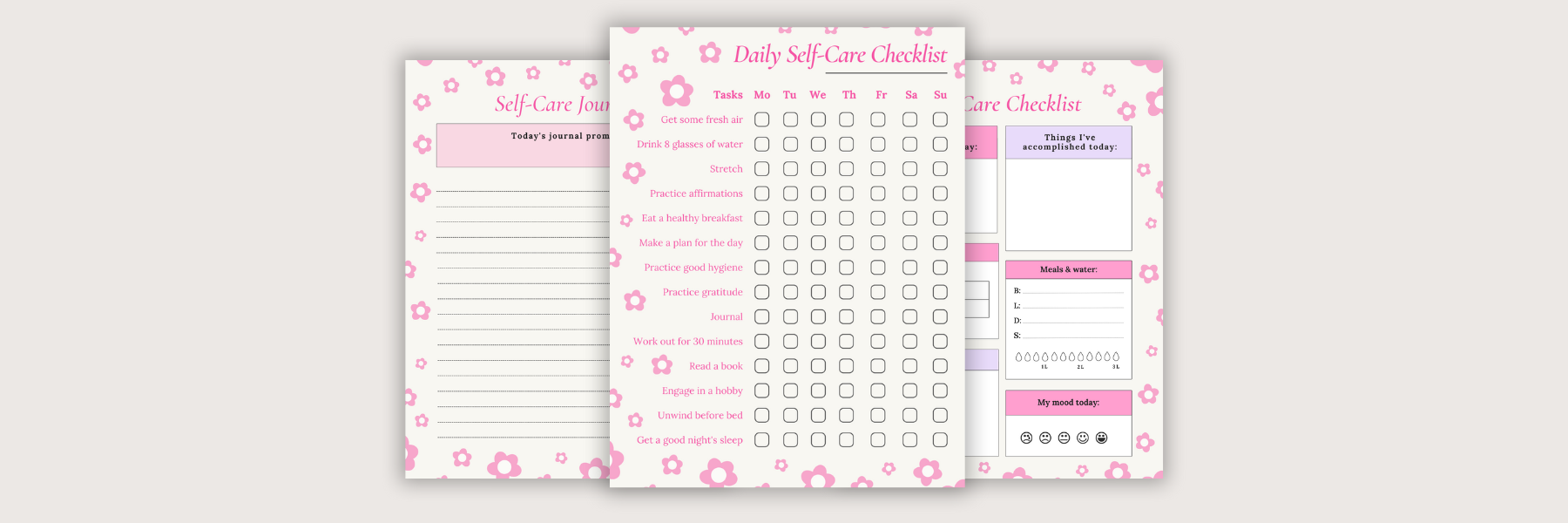
That’s why I wanted to put together this beginner-friendly guide on self-care for beginners that consists of 25 different self-care activities.
You don’t need to do all 25, and you certainly don’t need to create a perfect routine overnight.
The idea is simply to find a few things that fit your life and make taking care of yourself feel a little more manageable.

25 Simple Self-Care Activities for Beginners
1. Eat a Healthy Breakfast
I like starting the day with something filling and nutritious, such as eggs, whole-grain toast, fruit, or another breakfast that I actually enjoy.
You don’t need to make breakfast complicated. Having a few easy options you like can make mornings feel more manageable.
2. Move Your Body
You don’t need to become a gym enthusiast to include movement in your day.
Try a walk, a bike ride, a dance around your living room, stretching, or another type of movement you enjoy.
For me, moving my body is a simple way to add some variety and energy to the day.
3. Make Time for Sleep
Getting enough sleep is one of the basic ways I try to take care of myself.
I also find that keeping a fairly consistent bedtime and wake-up time makes my routine easier to manage.
Your sleep needs can vary, so focus on creating an evening routine that feels realistic for you rather than trying to follow a perfect schedule.
4. Keep Up With Basic Hygiene
Taking care of basic hygiene is another simple part of self-care.
Brush your teeth, shower or bathe, wash your hands, and keep up with whatever personal-care habits help you feel clean and comfortable.
I find that having a simple routine makes these things easier to stay on top of.
5. Keep Up With Health Appointments When Appropriate
Taking care of yourself can also mean paying attention to your health rather than waiting until something becomes urgent.
The appointments or screenings you need will depend on your age, health, medical history, and personal circumstances.
If you’re unsure what you need, a qualified healthcare professional can help you understand what’s appropriate for you.

6. Try a Few Minutes of Mindfulness
Have you ever tried sitting quietly and paying attention to your breathing for a few minutes? You don’t need a complicated meditation setup.
Simply taking a little time to slow down and notice what’s happening around you can be a useful addition to your routine.
For me, taking a few quiet minutes to breathe and pay attention to the present can be a simple way to slow down.
7. Spend Time Outside
I enjoy spending time outside when I want a change of scenery or a quieter part of the day.
You could walk through a park, sit in your garden, spend time by a lake, or simply step outside for some fresh air.
It doesn’t have to be a long outing. Sometimes even a short change of scenery is welcome.
8. Listen to Music You Enjoy
Music is one of my favorite simple ways to change the atmosphere of an ordinary day.
Create a playlist of songs you enjoy and put it on while you’re getting ready, cooking, cleaning, or relaxing.
I especially like familiar music when I want a calmer atmosphere.
9. Make Time for People You Care About
Self-care doesn’t always have to mean spending time alone.
Calling a friend, having dinner with family, sending someone a message, or spending time with a pet can all be simple ways to stay connected.
Spending time with people I care about is one of the simplest ways I like to stay connected.
10. Learn Something New
Learning doesn’t have to mean signing up for a formal course.
You could learn a few words of another language, try a new recipe, pick up a creative hobby, read about something you’ve always been curious about, or learn a practical skill.
I like activities that give me something interesting to focus on without making the experience feel like work.
You might also like: These Summer Self-Care Ideas Will Help You Enjoy Your Best Summer

11. Try a Creative Activity
Writing, drawing, painting, photography, playing music, crafting, or another creative activity can be an enjoyable way to spend some time with yourself.
You don’t have to be particularly talented.
Creative activities can be a comfortable way to express what’s on my mind and simply enjoy doing something with my hands.
12. Practice Setting Boundaries
Sometimes self-care means recognizing when you don’t have the time or energy for something.
You might need to say no to an invitation, ask for more time, or let someone know that you aren’t available.
Setting boundaries can take practice, but it can also help you become more intentional about how you spend your time.
13. Practice Self-Compassion
Think about how you would speak to a friend who made a mistake.
You’d probably try to be understanding rather than telling them they’re terrible at everything.
I try to offer myself some of that same patience when things don’t go according to plan.
Being kind to yourself doesn’t mean ignoring your mistakes. It means giving yourself room to learn from them.
14. Give Yourself Permission to Rest
Rest doesn’t always need to be something you earn after finishing everything on your to-do list. Sometimes I need an evening where I don’t accomplish much at all.
Read a book, watch something you enjoy, sit with a cup of tea, or simply do nothing for a while. A slower day can be exactly what you want sometimes.
15. Be More Forgiving Toward Yourself
Everyone makes mistakes.
Instead of replaying something you’ve done over and over, try thinking about what you can learn from the experience and what you’d like to do differently next time.
For me, self-forgiveness means acknowledging what happened without allowing one mistake to define the rest of my day or my view of myself.

16. Make Time for Friends and Family
It’s easy to become so busy that you only realize you’ve lost touch with someone after several weeks have passed.
Send a quick message, make a phone call, arrange a coffee date, or plan a relaxed evening together.
It doesn’t have to be a big event. Small moments of connection count too.
17. Volunteer Your Time
If you enjoy helping other people, volunteering can be a meaningful way to spend some of your free time.
You could help at a local organization, participate in a community project, support an event, or help someone in your neighborhood.
Choose something that genuinely interests you rather than feeling like you have to do everything.
18. Join a Club or Group
Joining a group around an interest you enjoy can be a simple way to meet people and build new connections.
Try a book club, walking group, craft class, sports club, language group, or another activity that sounds fun.
Having a shared interest can make meeting new people feel a little easier.
19. Go to a Social Event
Sometimes self-care can involve getting out of your usual routine.
You might attend a dinner, concert, birthday celebration, community event, or casual gathering with friends.
You don’t have to say yes to every invitation. Choose events that you actually want to attend and give yourself permission to leave when you’re ready.
20. Practice Being a Good Listener
When someone is talking to you, try putting your phone away and giving them your attention.
Ask questions, listen to what they’re saying, and avoid immediately turning the conversation back toward yourself.
I find that listening carefully makes conversations feel more thoughtful and helps me stay connected to the people around me.
You might also like: Try This 7-Day Self-Care Challenge

21. Keep a Gratitude Practice
At the end of the day, think about a few things you appreciated. They don’t have to be huge.
Maybe you enjoyed a good meal, had a funny conversation, finished something you’ve been putting off, or simply had a quiet moment to yourself.
For me, gratitude is most useful when it feels natural rather than like another task I have to complete perfectly.
22. Spend Time in Nature
Spending time outdoors can also be a meaningful part of a personal or spiritual routine. For me, being outside can be a peaceful opportunity to reflect and slow down.
You could take a walk, sit somewhere quiet, work in your garden, or simply spend a few minutes noticing what’s around you.
23. Meditate, Pray, or Reflect
This will look different for everyone.
Meditation, prayer, quiet reflection, or another personal practice can all have a place in someone’s routine depending on their beliefs and preferences.
The important thing is finding something that feels meaningful to you rather than copying someone else’s idea of what spirituality should look like.
24. Read Something Meaningful
You might enjoy reading a book, poem, essay, spiritual text, or another type of writing that encourages you to think about your values and beliefs.
Choose something that genuinely interests you. Reading can be a lovely way to spend a quiet part of the day while giving yourself something interesting to reflect on.
25. Help Someone Else
Helping someone doesn’t have to involve a huge gesture.
You could make someone a cup of tea, help a neighbor, check in on a friend, volunteer, donate something you no longer need, or simply offer your time.
I find that small acts of kindness can make an ordinary day feel a little more meaningful.
You might also like: Discover the Five Self-Care Dimensions to Focus on This Year


What Are the Different Types of Self-Care?
Physical self-care includes everyday habits such as eating well, getting enough sleep, staying active, and taking care of basic hygiene.
Emotional self-care can involve making space for your feelings, practicing self-compassion, setting boundaries, journaling, or talking with someone you trust.
Mental self-care might include reading, learning something new, taking breaks, enjoying hobbies, or simply giving yourself some quiet time.
Social self-care involves maintaining meaningful connections with friends, family, and other people in your life.
Spiritual or personal self-care can involve prayer, meditation, reflection, time in nature, gratitude, or thinking about your values and what gives your life meaning.
You don’t need to practice every type equally.
Your needs can change from one week to the next, and that’s completely okay.
Self-care can be a helpful part of everyday life, but it isn’t a substitute for professional medical or mental-health care. If you’re dealing with a persistent or serious health concern, consider speaking with an appropriately qualified professional.
How Do You Practice Self-Care for Beginners?
Start small.
Pick one thing from this list that sounds genuinely enjoyable or useful to you and make time for it this week.
Maybe that’s taking a walk, calling a friend, reading before bed, learning something new, or simply giving yourself an evening without a long to-do list.
You don’t have to become a completely different person to take better care of yourself.
Sometimes self-care is simply paying a little more attention to what you need and making room for it.
Which of these self-care habits would you like to try first?


Leave a Reply